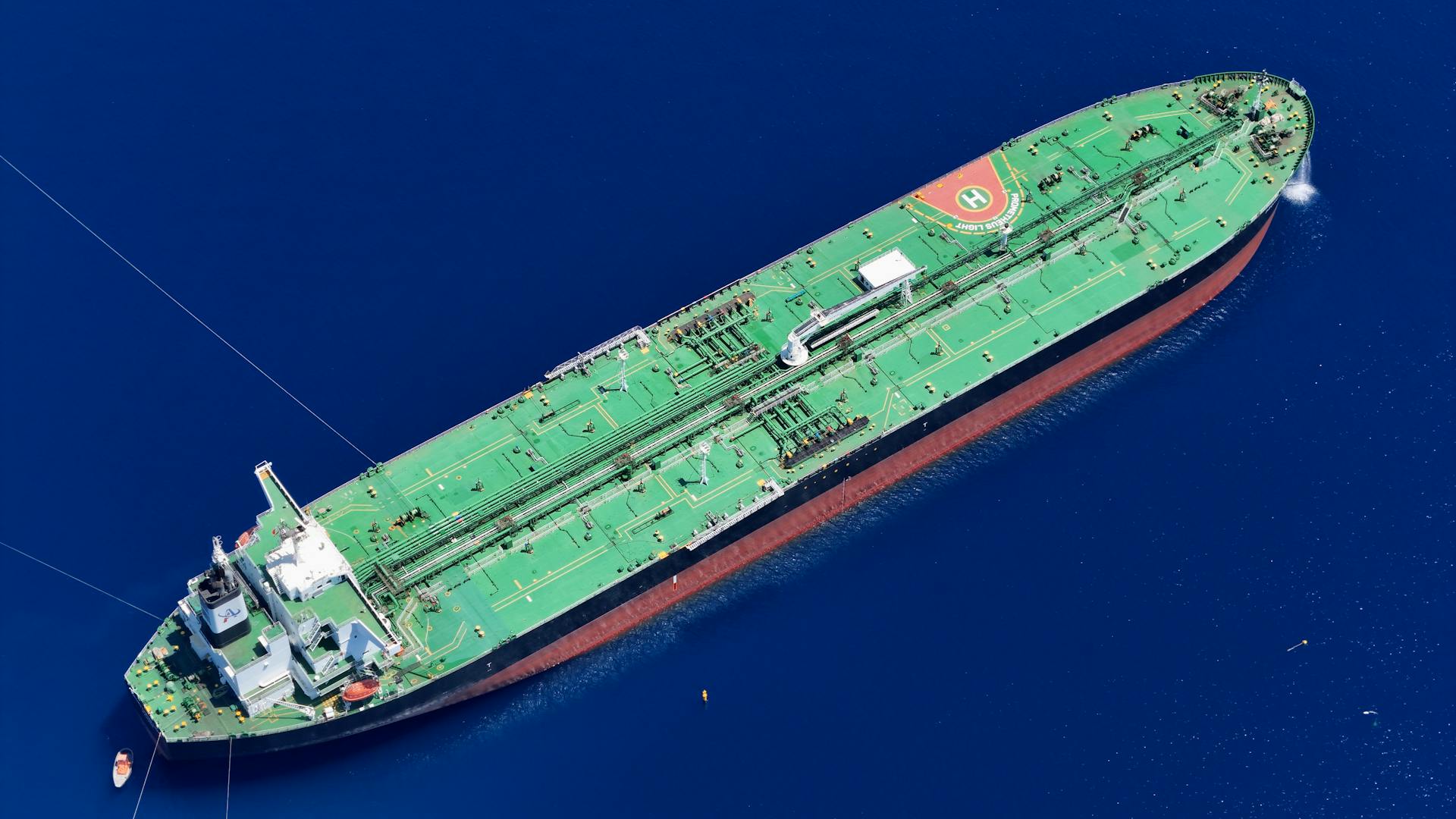
Oil Jumps Above $117 as Trump's Hormuz Deadline Looms, Stocks Slip on War Uncertainty
Oil prices surged Tuesday and U.S. stocks fell in volatile trading as President Donald Trump's 8 p.m. ET deadline for Iran to reopen the Strait of Hormuz approached without a clear resolution. The price of U.S. crude oil jumped as high as $117.63 per barrel before falling back to trade around $112, while international Brent crude rose to as high as $111.80 per barrel. The spike comes as Trump doubled down on threats to attack Iran's civil infrastructure if Tehran fails to reopen the strategic waterway that carries about one-fifth of global oil supply.
Escalating Threats Drive Volatility
The deadline marks a dramatic escalation in the five-week conflict between the United States and Iran, which has already disrupted oil flows through the Strait of Hormuz. On Monday, Trump repeated his warning that the U.S. would destroy Iran's power plants and bridges if Tehran does not reopen the strait by 8 p.m. ET Tuesday. On social media, Trump wrote that "A whole civilization will die tonight" if a deal is not reached and the Strait of Hormuz remains closed.
Trump's aggressive rhetoric has sent markets whipsawing between hope for de-escalation and fear of further escalation. Early Tuesday, a U.S. official confirmed new strikes on Iran's Kharg Island, from which Iran exports about 90% of its crude oil. Trump wrote on social media that "every MILITARY target in Iran's crown jewel, Kharg Island" had been "totally obliterated."
Market Impact: Energy Stocks Gain, Broader Markets Struggle
The oil price surge is providing a boost to energy producers while weighing on broader market sentiment. However, the response from oil stocks has been mixed, with some investors taking a wait-and-see approach given expectations that a ceasefire deal could be reached before the deadline. Chevron and Exxon Mobil, up roughly 30% this year, have seen limited gains in recent sessions as markets price in the possibility of a diplomatic resolution.
The broader market has struggled with the uncertainty. The S&P 500 ended Tuesday's session lower as traders balanced the inflationary pressure from higher oil prices against the potential for a de-escalation that could ease supply constraints. Transportation and industrial stocks, which are particularly sensitive to fuel costs, were among the weakest performers.
Supply Disruption Already Priced In
Analysts note that much of the supply disruption from the Hormuz blockade is already reflected in oil prices. Global oil supply has plunged by approximately 8 million barrels per day since the conflict began, with Middle East curtailments partly offset by increased production from non-OPEC+ producers including Kazakhstan and Russia.
The International Energy Agency has warned that while the extent of losses will depend on the duration of the conflict, global supply constraints could persist even if the Strait of Hormuz reopens quickly. Storage facilities are filling up, and it will take time to restore normal shipping patterns once the waterway clears.
Narrow Path to De-escalation
Reuters reports that the U.S. and Iran are discussing a framework plan to end the conflict, though significant gaps remain in expectations between the parties. Iran has pushed back against Trump's pressure to swiftly reopen the Strait of Hormuz, seeking concessions that the U.S. has so far rejected.
Michael Wan, senior currency analyst at MUFG Research, noted that while there may be marginal improvements in oil flows through the Strait of Hormuz, "the path towards peace remains narrow and unlikely" given the wide gap in expectations among different parties in the conflict.
The 8 p.m. ET deadline adds a binary event risk that markets will be watching closely. If Iran agrees to reopen the strait, oil prices could retreat sharply from current elevated levels. However, if the deadline passes without resolution and the U.S. follows through on threats to attack Iran's civilian infrastructure, prices could surge even higher, with broader economic consequences.
Outlook for Asian Markets
The situation carries particular significance for Asian economies, which are major importers of Middle Eastern oil and vulnerable to supply disruptions. Indonesia's currency, the rupiah, has been under pressure in recent weeks as the conflict has boosted oil prices and increased energy import costs. The Jakarta Composite Index (JCI) has also been volatile, swinging between gains on days when de-escalation hopes surface and losses when threats intensify.
Asian markets will open Wednesday morning with clear direction from how the deadline plays out in U.S. trading. A resolution that reopens Hormuz could trigger a relief rally across regional equities and currencies. Conversely, a failure to reach agreement would likely extend the risk-off environment that has characterized much of the past month's trading.
For now, markets remain in limbo, awaiting clarity on whether Trump's deadline marks a turning point toward de-escalation or another step deeper into a conflict that has already reshaped global energy markets.